
Beat the Heat: Smart Ways to Save Energy During Florida’s Hot Summers
As temperatures soar in Lake County, Florida, keeping your home cool without breaking the bank becomes a top priority.Fortunately, Duke Energy offers practical tips to help you stay comfortable while conserving energy and reducing costs.
 Optimize Your Thermostat Settings
Set your thermostat to the highest comfortable temperature. The closer your indoor temperature is to the outdoor temperature, the less your cooling system has to work, leading to energy savings. Utilizing a programmable or smart thermostat can automate this process, ensuring efficiency even when you’re not home.
 Enhance Air Circulation with Ceiling Fans
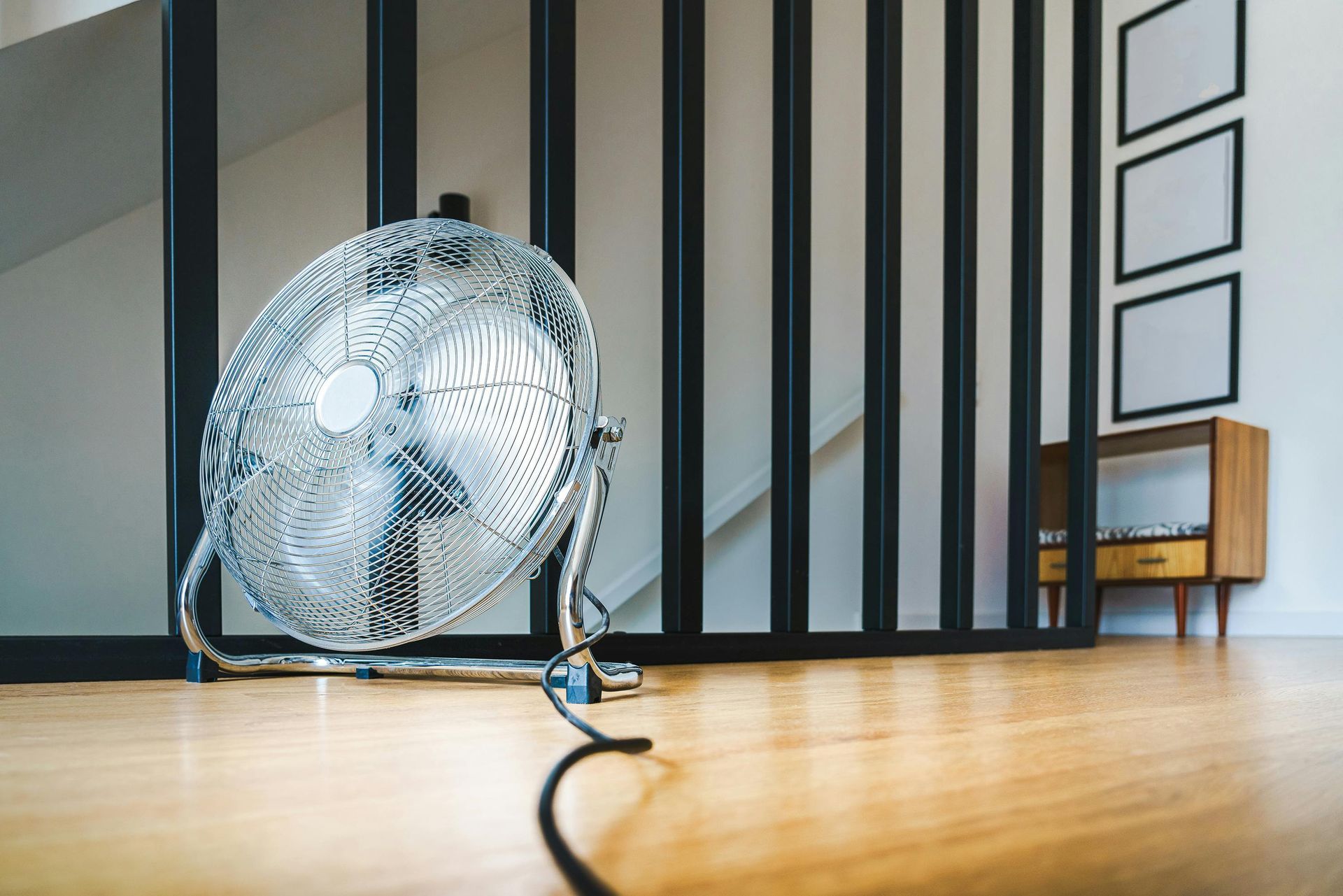
Ceiling fans can make a room feel cooler, allowing you to raise the thermostat setting by about 4°F without sacrificing comfort. Ensure your fan is spinning counterclockwise during the summer months to create a cooling breeze.
 Maintain Your Air Conditioning System
Regular maintenance of your air conditioning system is crucial. Replace air filters monthly or at least every three months to prevent clogs that force the system to work harder. Additionally, schedule routine inspections to keep your system running efficiently.
 Control Sunlight and Heat Gain
Close blinds and curtains during the day to block out the sun’s heat. If you have a whole-house fan, use it during cooler parts of the day to draw in fresh air, then close windows and blinds as temperatures rise.
 Cook Smart
Avoid using the oven or stove-top during the hottest parts of the day, as they can significantly increase indoor temperatures. Opt for outdoor grilling or microwave cooking to keep your kitchen cool.
 Switch to LED Lighting
Replace traditional incandescent bulbs with LED bulbs. LEDs use less energy and emit less heat, contributing to a cooler indoor environment and lower energy bills.
 Use Appliances Efficiently
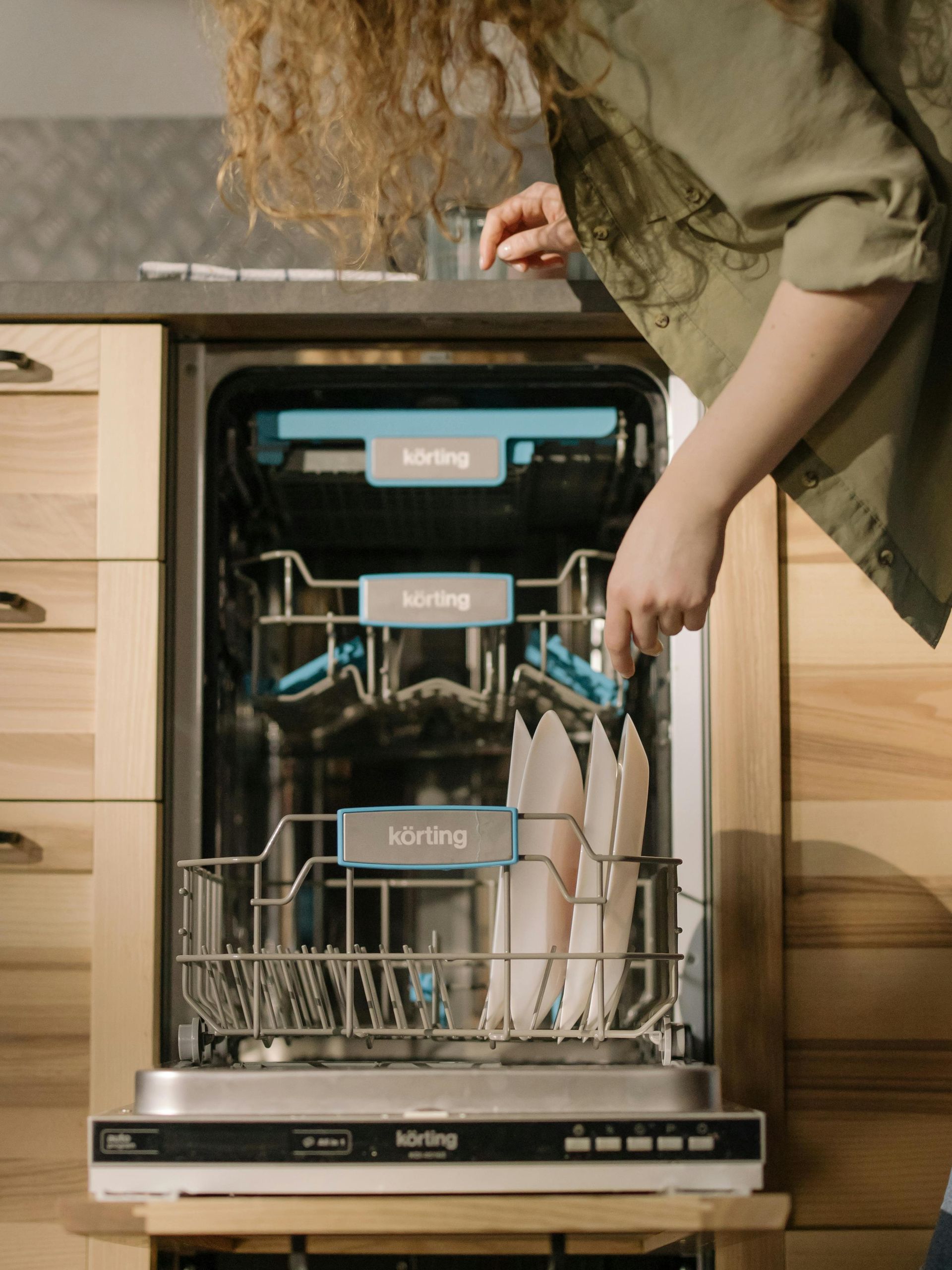
Run dishwashers and washing machines during cooler parts of the day, such as early morning or late evening. Always wash full loads and use cold water when possible. Clean the lint filter in your dryer after each use to improve efficiency.
 Unplug Unused Electronics
Many electronics consume energy even when turned off. Unplug devices like phone chargers, laptops, and gaming consoles when not in use to prevent unnecessary energy consumption.
 Seal Leaks and Insulate
Inspect your home for air leaks around doors, windows, and other openings. Use caulk or weatherstripping to seal gaps and prevent warm air from entering, which helps maintain a consistent indoor temperature.
 Additional Strategies for Energy Efficiency
Beyond daily habits, consider these enhancements to further improve your home’s energy efficiency:
- Conduct a Home Energy Audit : Many utility companies offer energy audits to identify areas where your home may be losing energy, such as insufficient insulation or outdated appliances.
- Upgrade Insulation : Over time, insulation can degrade, leading to energy loss. Re-insulating your attic, walls, and floors can help maintain indoor temperatures and reduce energy consumption.
- Install Energy-Efficient Windows : Older windows may allow heat to enter your home. Replacing them with energy-efficient models can reduce heat gain and lower cooling costs.
- Adopt Solar Energy : Installing solar panels can decrease reliance on traditional power sources, leading to long-term savings and potential tax benefits.
 Financial Incentives and Tax Credits
Investing in energy-efficient upgrades not only reduces utility bills but may also qualify you for tax credits. For instance, the Energy Efficient Home Improvement Credit allows homeowners to claim up to $3,200 annually for qualifying improvements made through 2032. This includes credits for energy audits, insulation, and certain heating and cooling systems.
Implementing these energy-saving strategies can make a significant difference in your comfort and utility bills during Florida’s hot summer months. For more detailed information and additional tips, visit Duke Energy’s article on saving energy during hot weather.
Stay cool and energy-efficient!
* Note: For specific eligibility and application details regarding tax credits, consult with a tax professional or visit the official IRS website.
Information gathered from Duke Energy’s website.