
Vacation Survival Guide for Your Garden (So You Can Actually Enjoy Your Trip)
March in Lake County usually brings warmer days, longer evenings, and that familiar urge to start planning spring break getaways and weekend escapes. If travel is on your calendar, here is a friendly reminder: your garden still needs a plan while you’re away.
A week or two without regular watering and quick check-ins can leave plants stressed, wilted, or more vulnerable to pests and disease. The good news is you can do a few simple things before you leave that make a big difference, so you come home to healthy plants and maybe even a little harvest waiting for you.
1) Mulch like you mean it
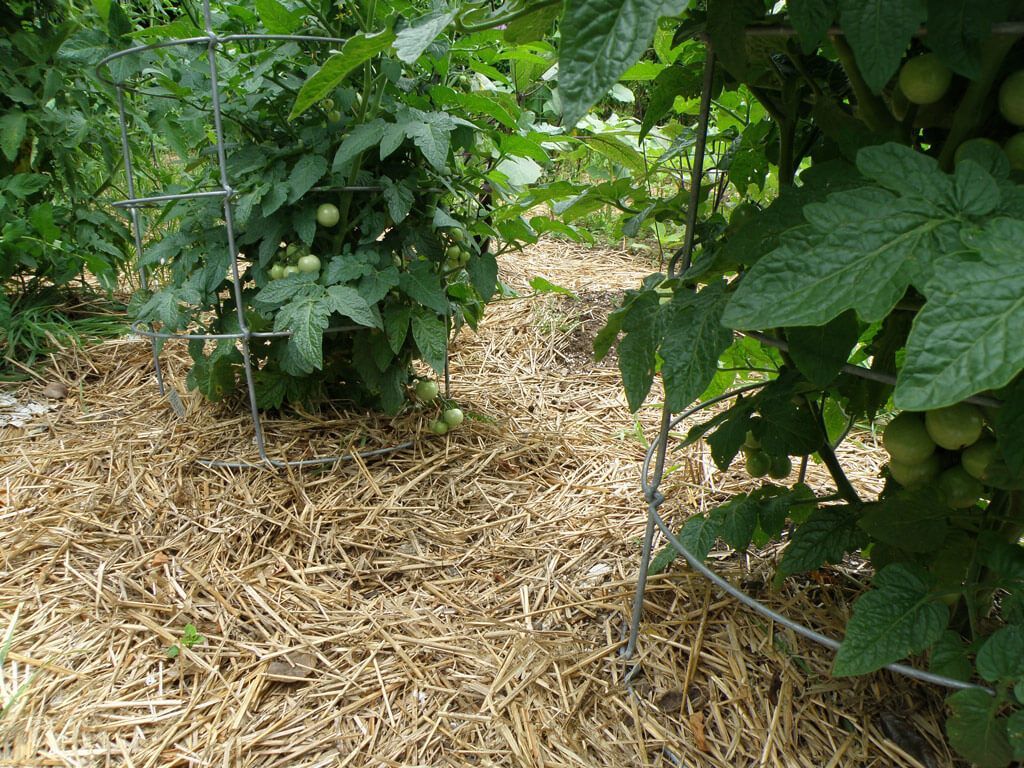
Mulch is one of the easiest “set it and forget it” tools for vacation-proofing your garden. It helps hold moisture in the soil and slows down weeds while you’re gone. Keep mulch a little away from plant stems to help prevent rot and discourage pests from nesting right against the plant.
Good mulch options:
- Wheat straw
- Pine straw
- Finely ground pine bark (often labeled “soil conditioner”)
- Leaf compost
2) Automate watering with drip irrigation and a timer
The biggest challenge while you’re away is consistent water. A drip irrigation setup (or soaker hoses) paired with a timer can keep beds and containers hydrated on schedule. We have a Rachio system, which overrides when there is rain in the forecast to prevent overwatering.
Before you travel:
- Run the system for a few days to confirm coverage
- Check for clogs, leaks, or dry spots
- Adjust timing for warmer weather (containers often dry out faster than garden beds)
Even a basic timer setup can protect your plants from that “one hot week” that sneaks up in March.
3) Recruit a “garden assistant”
No system replaces real eyes on the garden, especially if you’ll be gone more than a few days. If you have a trusted friend or neighbor (or child) who enjoys plants, consider a simple trade. They water, weed, and keep an eye out for issues, and in return they can take home anything ready to harvest.
Make it easy for them:
- Walk them through the routine once or twice before you leave
- Point out what “normal” looks like for each plant if they are unaware.
- Ask them to text a photo if they see anything odd (spots on leaves, chewed stems, unusual bugs)
4) Feed your plants before you go
A little nutrition can help plants handle stress while you’re away.
- If you’re leaving soon and want a quick boost, a liquid fertilizer can help.
- If you’ll be gone more than a week, a granular, slow-release option can provide a steadier supply.
Always follow label directions. More is not better, especially right before a heat spell as it can burn plants instead of feeding them.
5) Do a quick “health inspection” before you head out
This is the step that saves you from coming home to a surprise takeover.
Take 10 to 15 minutes and look closely:
- Are leaves yellowing or looking weak?
- Any aphids or obvious pests?
- Any weeds about to go to seed?
- Any signs of disease (spots, powdery residue, curled leaves)?
Handle what you can before you leave. A small issue now can become a bigger one after a week of Florida warmth.
6) Plan a little post-trip garden time
When you get home, try to make a short garden check part of your first-day routine.
Your “welcome home” garden reset:
- Water if needed
- Pull weeds
- Check plants leaf-by-leaf for pests or disease
- Remove dead or questionable leaves
- Treat any issues early
- Harvest what’s ready
A little attention right away helps your garden bounce back fast.
A thriving garden adds daily enjoyment, but it also supports that overall “well cared for” feel around your home. Whether you plan to stay put for years or you might sell down the road, consistent outdoor upkeep helps protect curb appeal and reduces the chance of expensive do-overs later.