
Stop Rinsing Dishes Before the Dishwasher (Yes, Really)
Here’s why, plus the few situations where a quick rinse still makes sense.
Why rinsing is usually not needed
Modern dishwashers and dish detergents are built to work together, especially when there is a little bit of food residue on the dishes.
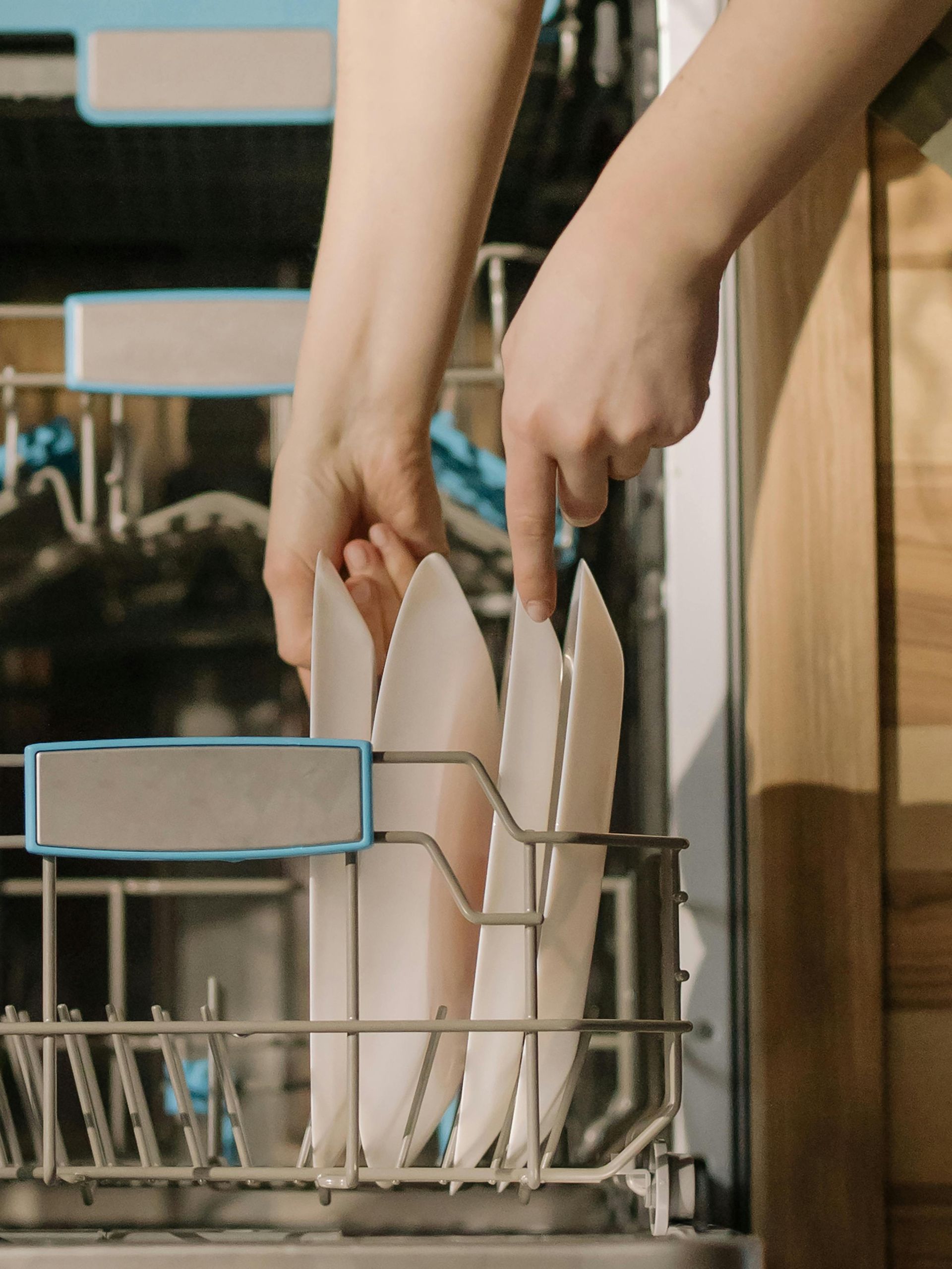
- Dishwasher detergents often contain enzymes that activate when they come into contact with organic material. If dishes are fully rinsed, those enzymes have less to work on, which can reduce cleaning performance.
- Newer dishwashers (especially post-2010 models) may use sensors and filtration systems that adjust the cycle based on how dirty the water is. If dishes are pre-rinsed, the dishwasher may “think” the load is cleaner than it is and run a less effective cycle.
A good everyday approach is simple: scrape off the large food bits and load the dishes.
When a quick rinse can still help
Skipping the rinse works well most of the time, but there are a few exceptions where rinsing, soaking, or using a rinse cycle can improve results.
1) If the dishwasher is older
Dishwashers that are more than a decade old may not have the same sensors or filtration systems found in newer models. In those cases, a light rinse on certain items can help prevent clogs and improve cleaning.
2) If food is sticky, oily, or likely to harden
Some foods cling to dishes and can be difficult to remove after they dry. A quick rinse is often helpful for:
- Thick, sticky sauces (including nut butters)
- Oily residue
- Dried-on foods, especially starches like oatmeal or pasta
- Baked-on cookware and casserole dishes
3) If dishes will sit in the dishwasher for a while
If dirty dishes will stay in a closed dishwasher overnight or longer, food can dry onto surfaces and odors can develop. In that situation, a quick rinse or running a short rinse cycle can help prevent buildup and smell. (We only run the dishwasher maybe once or twice a week, so this is commonplace for us.)
4) If a load did not come out fully clean
If a cycle leaves behind residue (like dried egg or tomato sauce film), rinsing before washing again can help loosen what’s stuck and improve the next cycle.
Tips for clean dishes without pre-rinsing
Skipping the rinse can save time and water, but a few habits make a big difference.
Clean the dishwasher filter often
Without pre-rinsing, more food debris ends up in the dishwasher filter. That’s normal, but it may mean cleaning the filter more frequently to prevent buildup and keep wash performance strong.
Use the right cycle setting
“Normal” works for most loads, but heavier loads may benefit from “Pots and Pans” or a stronger cycle, especially when dishes have dried-on food.
Load the dishwasher properly
How dishes are loaded matters more than rinsing. For best results:
- Avoid overloading so water can circulate
- Do not overlap plates and bowls
- Angle dirty surfaces toward the spray arms
- Keep large items from blocking smaller ones
- Make sure utensils are not nesting together (my husband loves to put all the spoons together, the forks together, etc, and it drives me nuts)
Check dishes while unloading
A quick glance while unloading helps catch any items that need a second wash before they get put away. (I do this even if I do pre-rinse my dishes.)
The bottom line
Most of the time, pre-rinsing is unnecessary. A quick scrape is usually enough, and leaving a little residue can actually help detergent enzymes do their job. For the best results, keep filters clean, choose the right cycle, and load dishes so water can reach every surface.
This small change can cut down on prep time at the sink and reduce water use, while still delivering clean, sparkling dishes.