Why Insulation Is the Key to Home Comfort and Energy Efficiency
When it comes to improving your home’s energy efficiency, insulation is one of the smartest upgrades you can make. From lowering your utility bills to reducing noise and increasing comfort year-round, insulation is a powerhouse in any home improvement plan.
If you’ve ever wondered how insulation works, what types are best, or why it matters so much, here’s everything you need to know.
What Does Insulation Do?
Insulation acts as a barrier that slows the transfer of heat between the inside and outside of your home. In the summer, it helps keep the cool air in. In the winter, it keeps the heat from escaping. This makes your home more comfortable, reduces wear on your HVAC system, and cuts down on your energy costs.
It also helps block out exterior noise, creating a quieter, more peaceful living space, especially important if you live near a busy road or in a high-traffic neighborhood.
Types of Insulation Materials
There’s no one-size-fits-all solution when it comes to insulation. The right material depends on your home’s needs and your environmental preferences. Here are some common types:
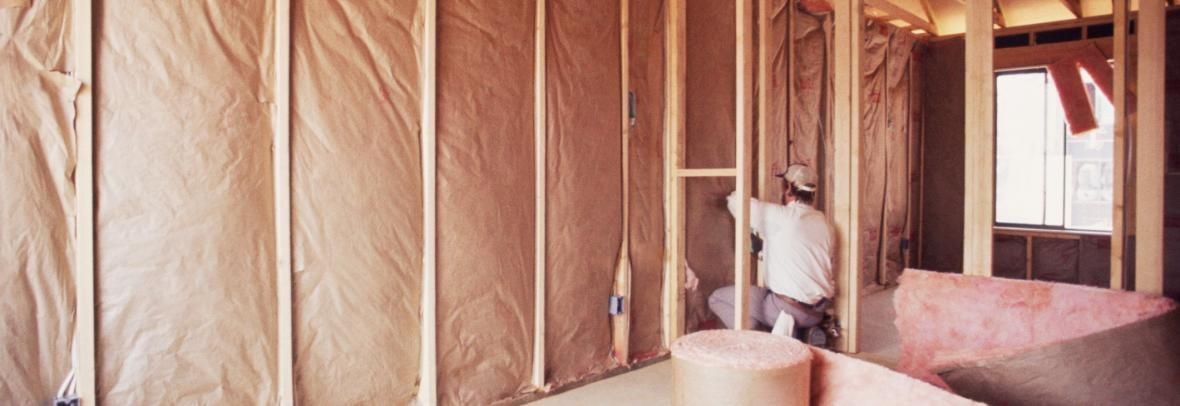
- Fiberglass: Comes in pre-cut batts; great for walls, attics, and floors.
- Spray Foam: Ideal for filling small gaps and cracks.
- Cellulose: Made from recycled paper; eco-friendly and effective.
- Wool and Denim (my personal fave) : Natural and sustainable options growing in popularity.
Each insulation material is rated by its R-value , which measures thermal resistance. The higher the R-value, the better it insulates. Your local climate will help determine which R-value is ideal, an insulation contractor can offer recommendations specific to your area.
Energy Savings That Add Up
According to the U.S. Environmental Protection Agency, insulation saves over 600 times more energy each year than Energy Star appliances, windows, and CFL bulbs combined.
And for every unit of energy used to produce insulation, 12 units of energy are saved during its use, according to A+ Insulation of Kansas City. That’s a major return on investment for both your wallet and the environment.
Insulation Lasts and Has for Centuries
Most insulation, if installed correctly and kept dry, will last the lifetime of your home. While some settling can occur (especially with loose-fill insulation), it’s easy to top off as needed.
Fun fact: Insulation isn’t new! During the Middle Ages, people used straw and mud in their walls to keep warm, early proof that home efficiency has always mattered.
Safety and DIY Tips
If you’re tackling insulation as a DIY project, be cautious with materials like fiberglass. It can release fine particles that may irritate your skin and lungs. Always wear protective gloves and a mask when handling it.
Whether you’re planning a renovation, building a new home, or just looking to reduce your energy bills, adding or upgrading insulation is a smart, eco-friendly investment. It boosts comfort, saves money, and pays for itself over time all while helping reduce your environmental impact.
 Thinking about making your home more energy efficient or preparing to sell?
I’d love to chat about how improvements like insulation can increase your home’s value and comfort. Feel free to reach out — I’m always here to help you make informed decisions about your home.
Thinking about making your home more energy efficient or preparing to sell?
I’d love to chat about how improvements like insulation can increase your home’s value and comfort. Feel free to reach out — I’m always here to help you make informed decisions about your home.